Let's Dance America!
2016
Multi-media installation
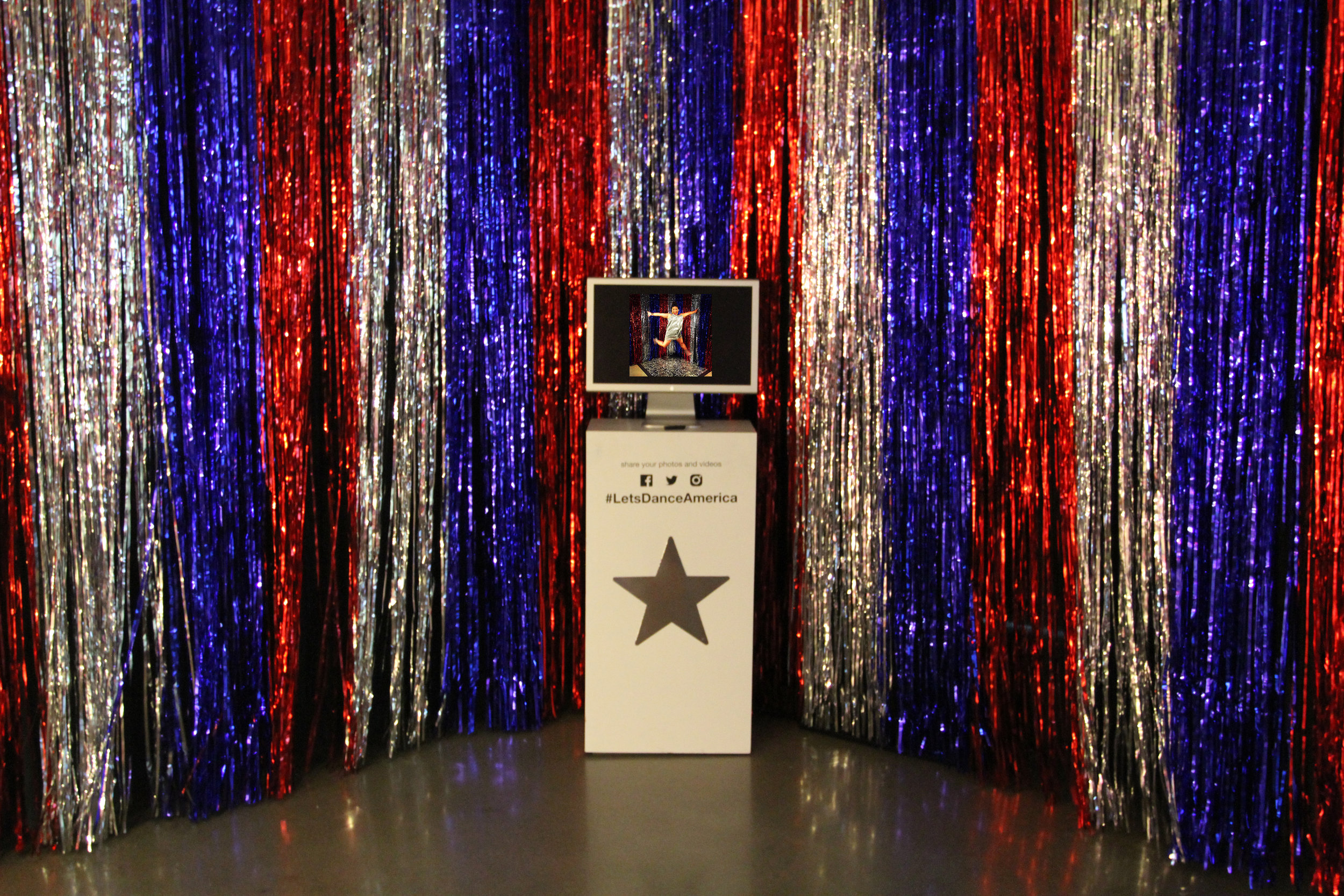
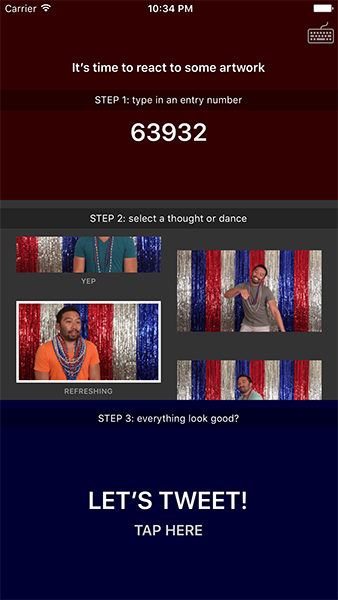
Social media components including a selfie station, a hashtag #LetsDanceAmerica, a geolocation Snapchat filter, and an iPhone app titled Yay America!
Includes the video Let’s Dance America!
Single-channel video with audio
52 minutes
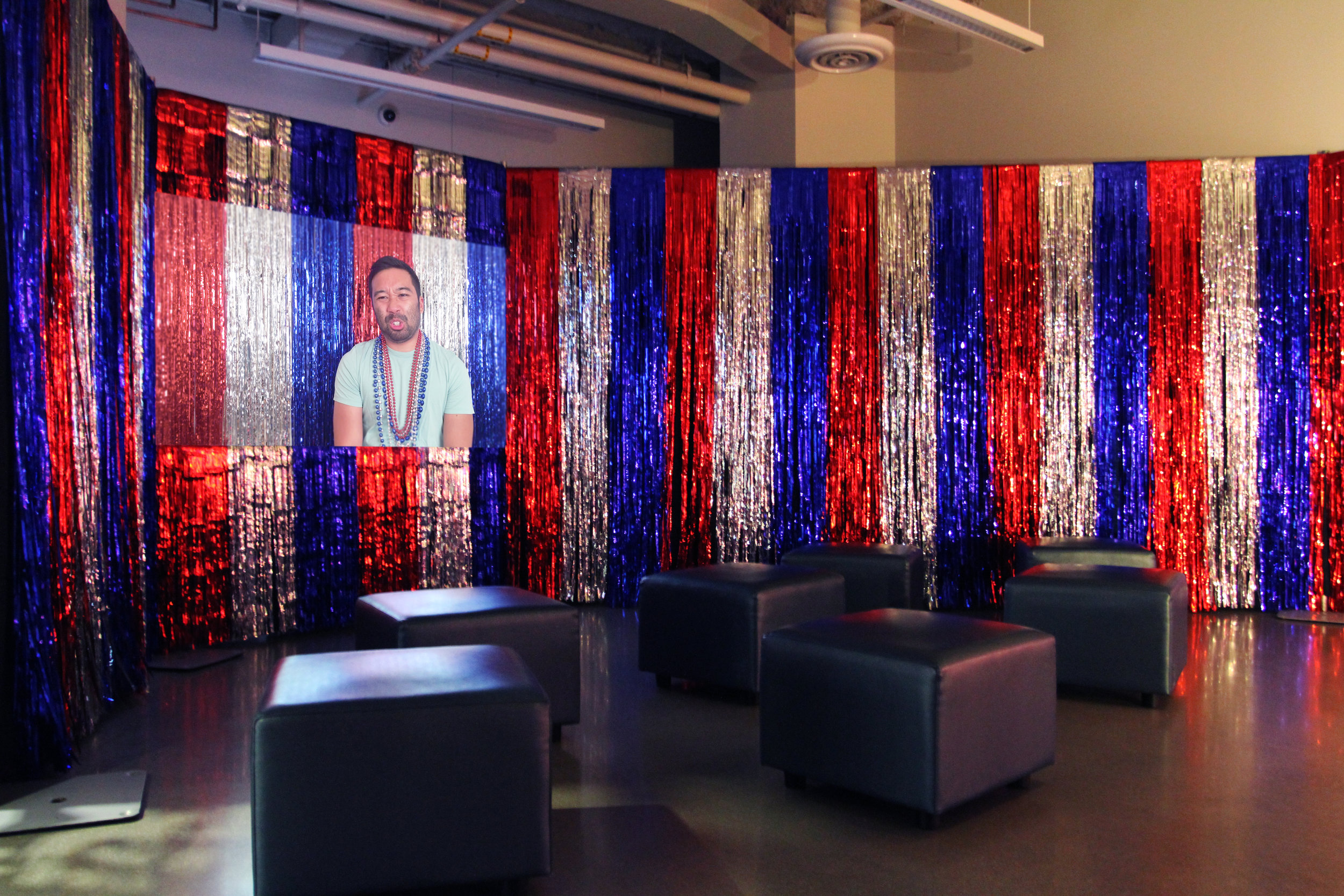
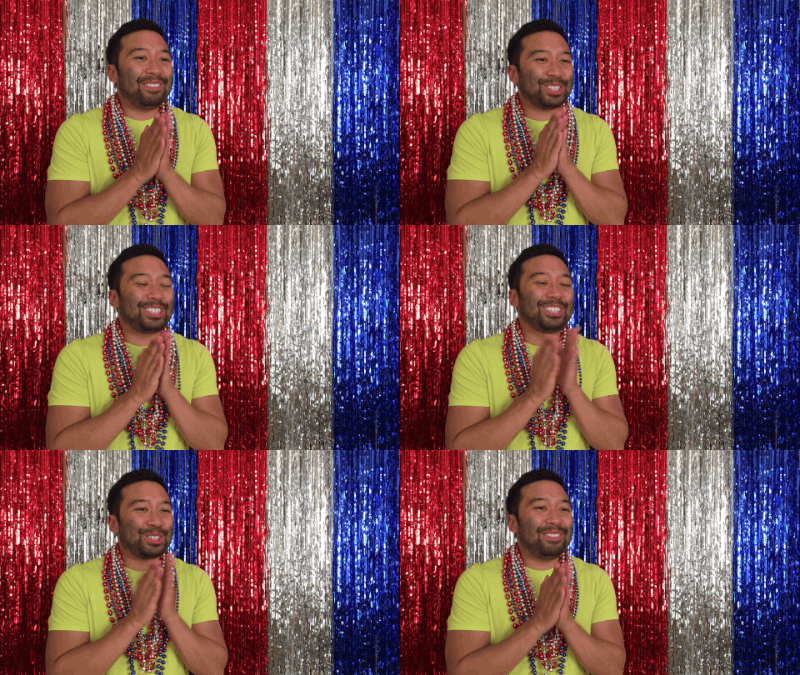
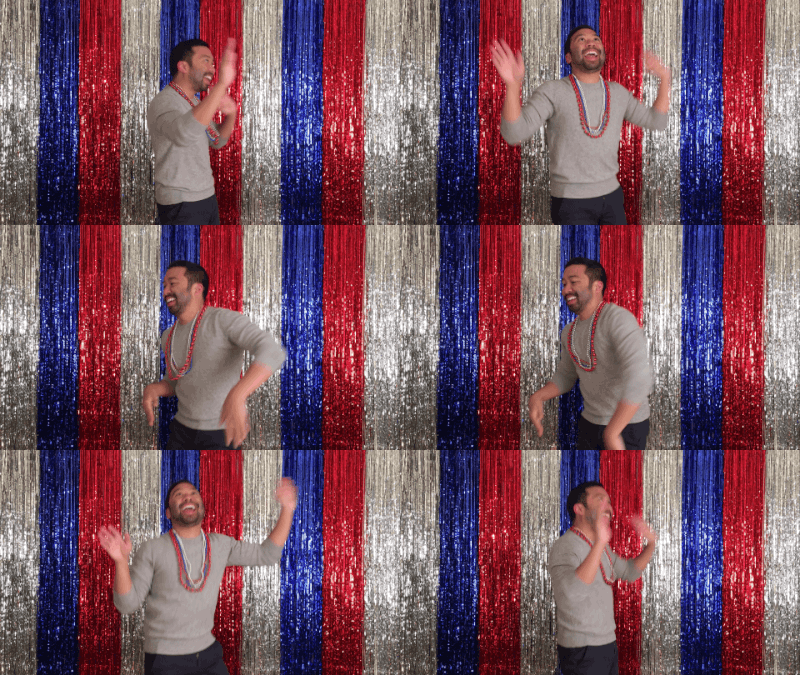
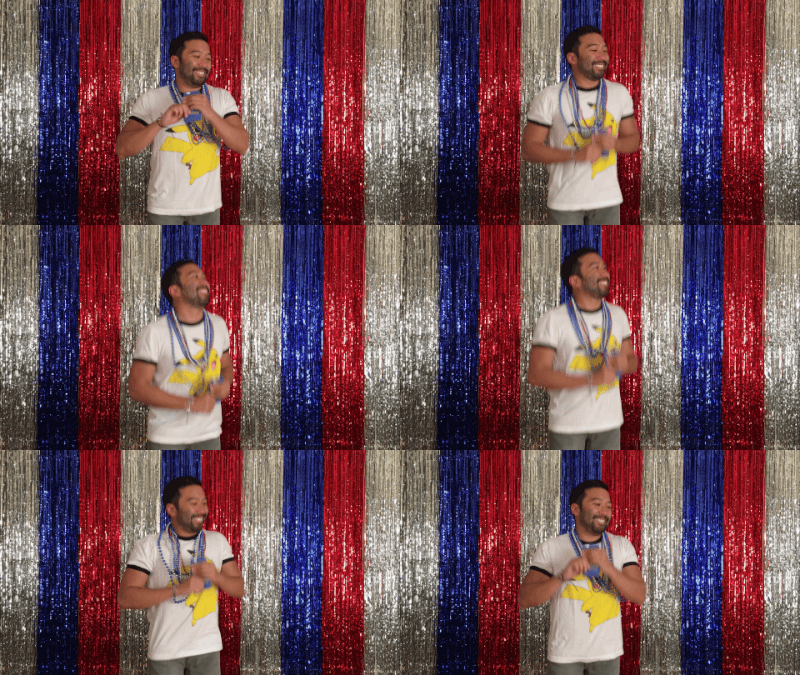
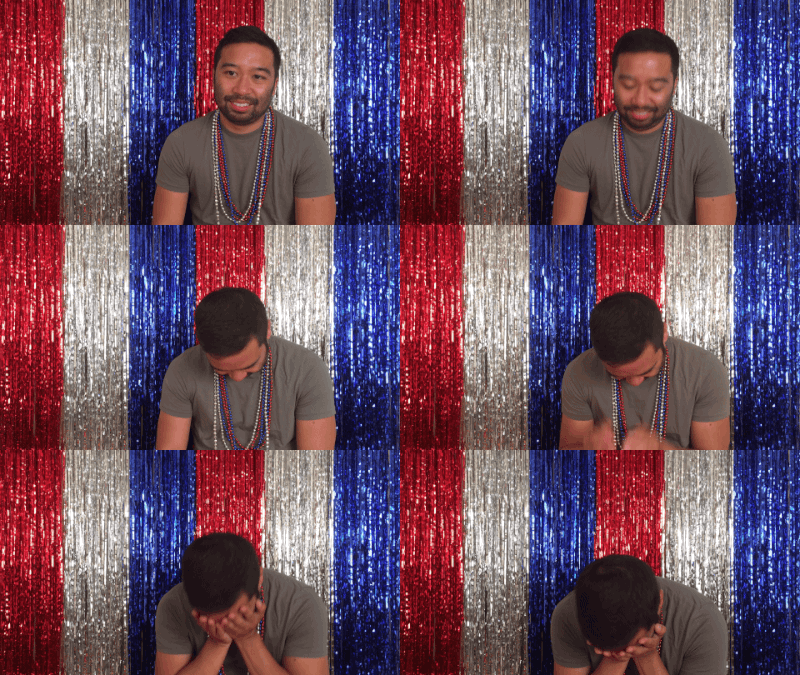
Let’s Dance America! is a multimedia installation centered on a 52-minute video composed of twenty-three short performances, each beginning with the question, “When and where did you first learn the Macarena?” I perform every character myself and answer the questions twenty-three times with real and fabricated stories complemented by dance breaks of the Macarena. Released at the height of the 1996 U.S. presidential election, the song serves as a shared cultural touchstone that opens into stories about the body, love, faith, family, nationalism, tragedy, and celebration. While the dance unifies the work, the narratives splinter into experiences that are deeply personal yet widely familiar.
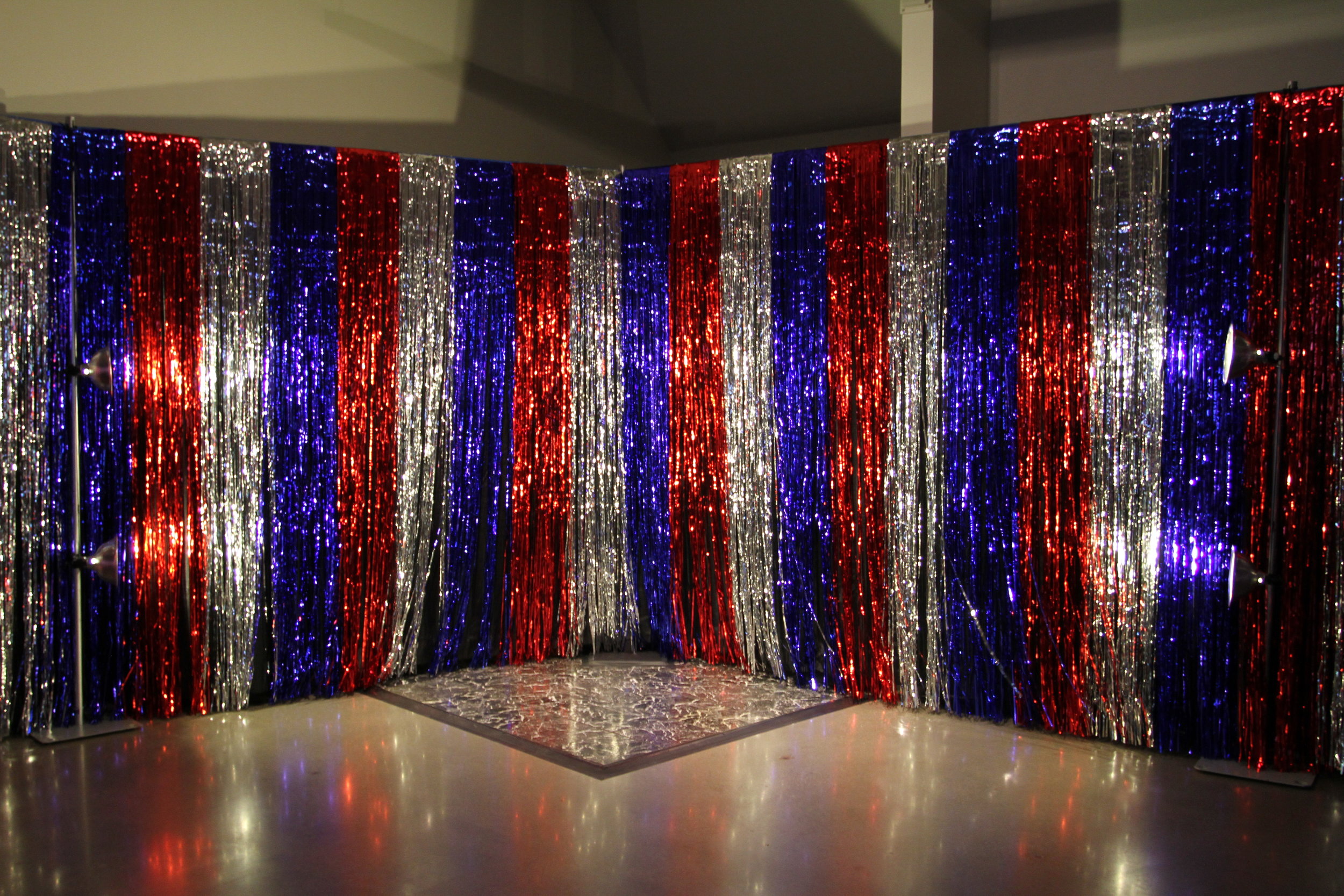
The installation debuted at the Urban Institute for Contemporary Arts in Grand Rapids for ArtPrize as a fully immersive environment. The video is projected against shimmering red, silver, and blue foil curtains, transforming the gallery into both dance floor and spectacle. Visitors are invited to dance, take selfies, and circulate their participation through social media, creating a feedback loop of performance, documentation, and distribution. Digital elements including live image feeds, social media hashtags, and a custom app, allowed the artwork to exist simultaneously both inside and outside the gallery, echoing the mechanisms that made the Macarena “viral” in the first place.
Throughout Let’s Dance America!, I’m interested in how the language of virality operates across pop culture, politics, and gay history. In the 1990s, “viral” carried very different meanings within the context of HIV/AIDS, loss, and survival. These meanings continue to shape my understanding of visibility, exposure, and representation. By adopting the bright, celebratory visual language of ArtPrize and pop spectacle, I use subversion as a strategy, inviting audiences in through joy and familiarity while quietly embedding more complicated questions about American identity and anxiety.